
Homemade Pizza Crust Recipe You’ll Make Again and Again
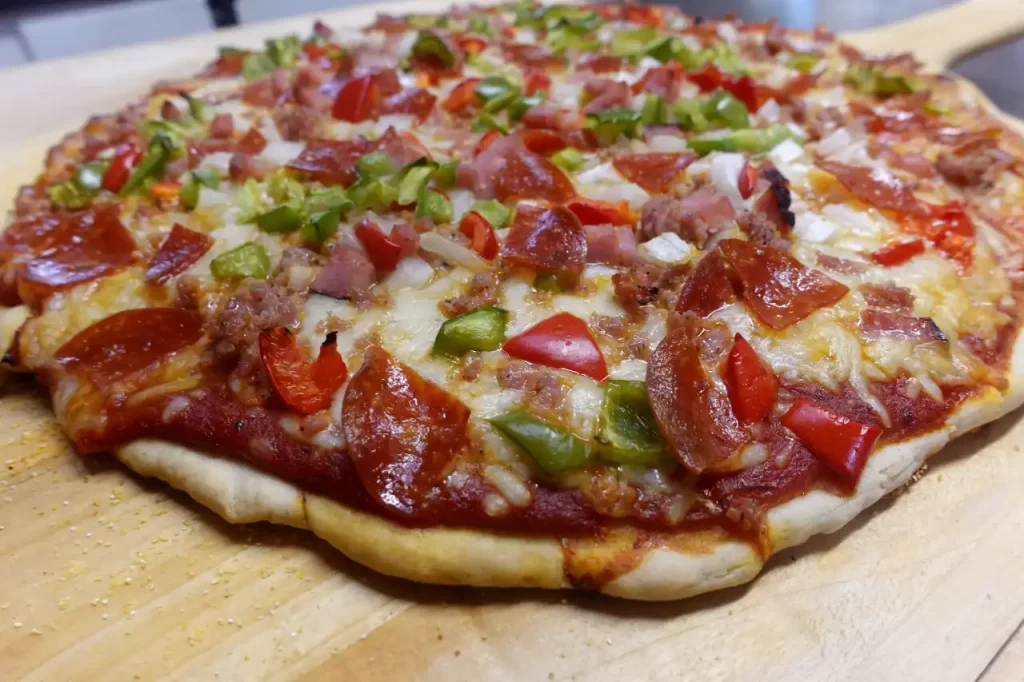
There is just something special about homemade pizza night. Not only does the house smell amazing while the dough rises, but everyone gets excited about choosing their own toppings. Over the years, I’ve tried a lot of pizza dough recipes, and honestly, some were too dense while others were too soft. However, this homemade pizza crust recipe has become my go-to because it delivers that perfect chewy texture with a crispy bottom every single time.
What I love most about this dough is that it uses simple pantry ingredients, yet it tastes like something from your favorite pizza shop. Better yet, if you have a little extra time, letting the dough rest overnight in the refrigerator creates an even chewier crust with incredible flavor.
THIS POST MAY CONTAIN AFFILIATE LINKS. I MAY EARN A COMMISSION. PLEASE SEE MY FULL DISCLOSURE POLICY FOR DETAILS. AS AN AMAZON ASSOCIATE I EARN FROM QUALIFYING PURCHASES.
Whether you’re making classic pepperoni pizza, a loaded veggie pizza, or even a white pizza, this easy homemade pizza dough is the perfect foundation.
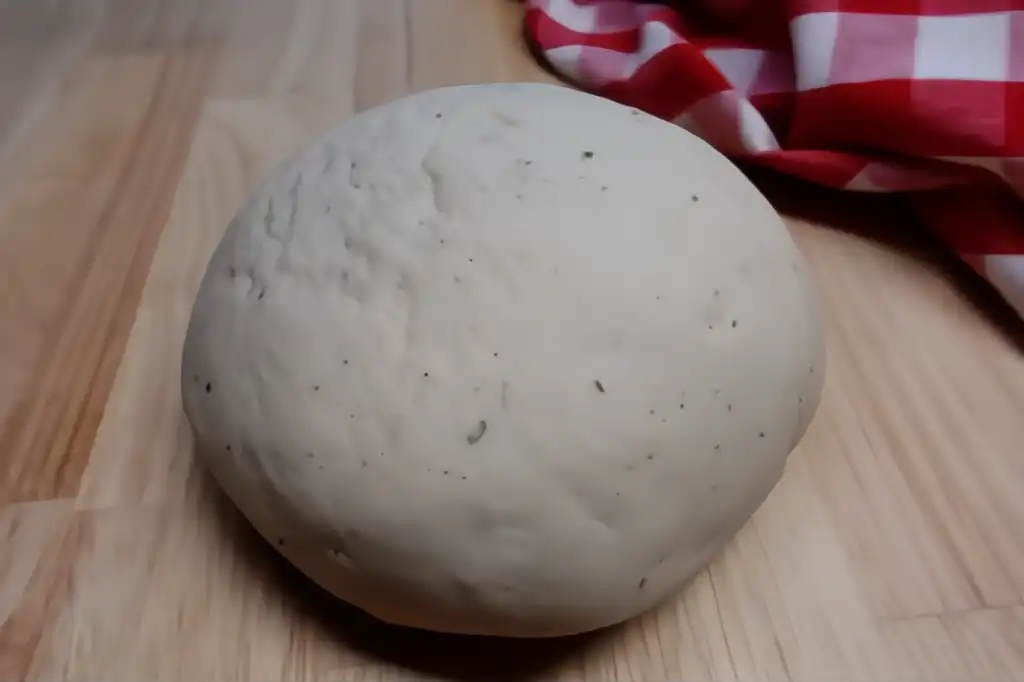
Table of contents
Why You’ll Love This Homemade Pizza Crust
Why You’ll Love This Homemade Pizza Crust
Freezer-friendly
Simple ingredients you probably already have
Perfect chewy pizza crust
Great for pizza stones
Easy to make by hand or with a stand mixer
Can be made the same day or refrigerated overnight
Better than store-bought dough
Tools I Use
Many readers ask what tools I use when testing recipes for The Recipe Bowl.
👉 See my full list of favorite kitchen tools here.
Ingredients For Pizza Crust
- 2¼ cups all-purpose flour or bread flour (use 2 cups in the dough and reserve ¼ cup for your pizza peel and work surface)
- 2 teaspoons active dry yeast
- ¾ cup warm water
- 2 tablespoons olive oil
- ½ teaspoon salt
- 1 teaspoon sugar
- ½ teaspoon garlic powder (optional)
- 1 teaspoon Italian seasoning (optional)
Instructions
- In a large mixing bowl, combine the warm water, yeast, and sugar. Let sit for 5–10 minutes until foamy.
- Add 2 cups of the flour, olive oil, salt, (garlic powder, and Italian seasoning if using).
- Mix until a shaggy dough forms. Knead with a dough hook for 5–10 minutes, or knead by hand on a lightly floured surface until smooth.
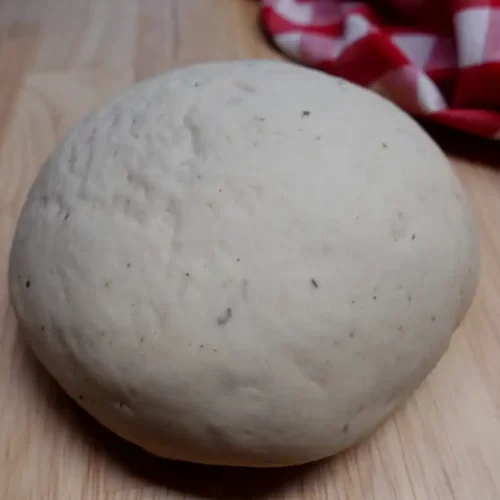
- If the dough feels too sticky, add a little additional flour, one tablespoon at a time, until the dough becomes soft, smooth, and only slightly tacky. The dough should not stick heavily to your hands.
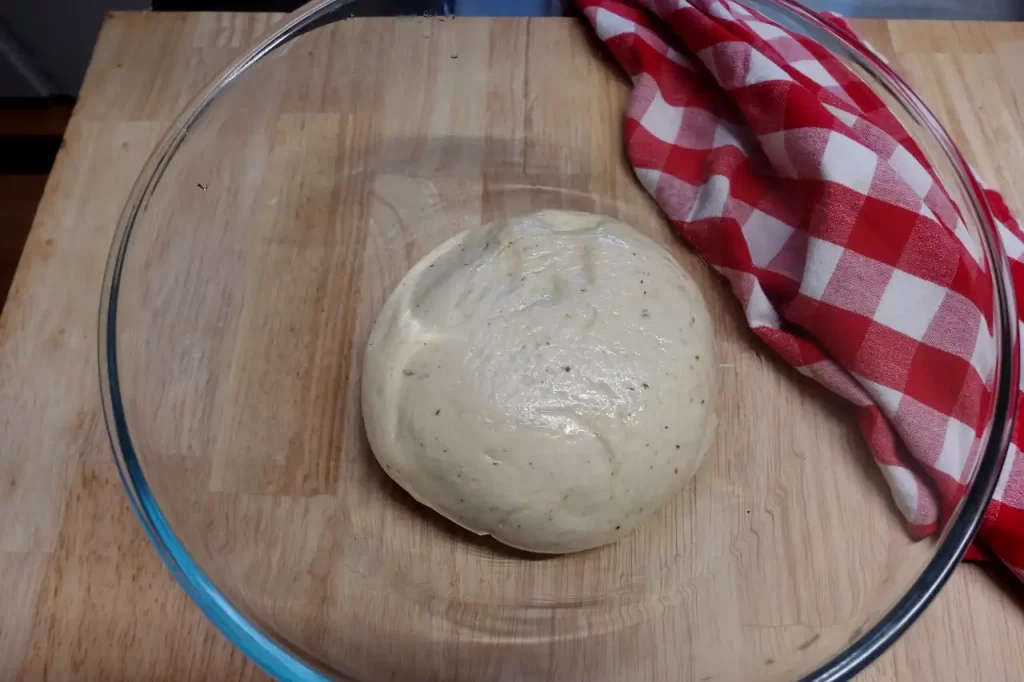
- Transfer the dough to a lightly oiled bowl and turn once to coat. Cover and let rise in a warm place for about 30 minutes or until doubled in size.
- For an extra chewy crust, place the covered bowl in the refrigerator for up to 24 hours instead of doing the quick rise.
- Preheat your oven to 475°F and place a pizza stone inside while the oven heats.
- Sprinkle some of the reserved flour onto your pizza peel. Punch down the dough and transfer it to the peel.
- Roll or stretch the dough into a 12-inch circle.
- Add sauce, cheese, and desired toppings.
- Carefully slide the pizza onto the hot pizza stone.
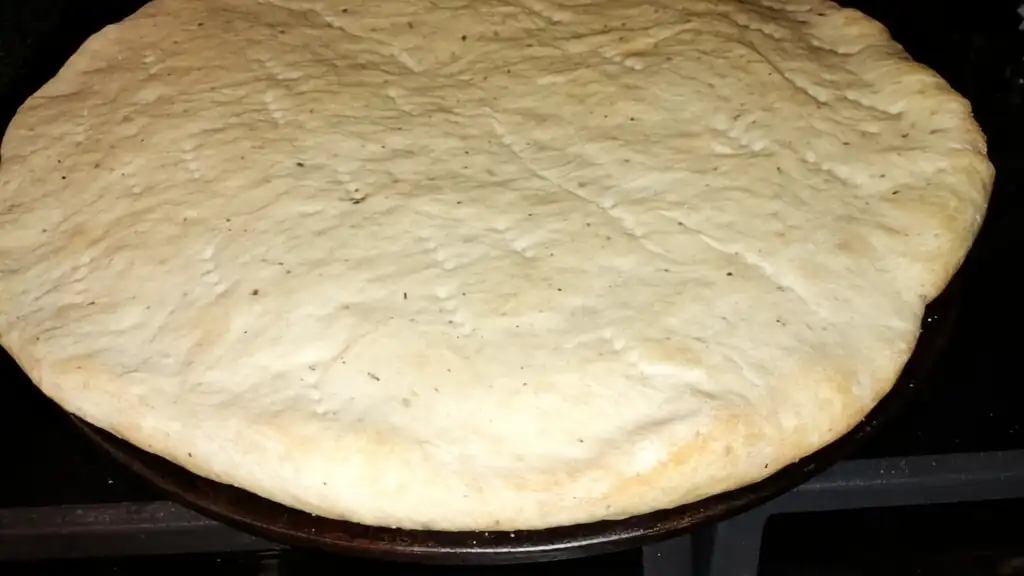
- Bake for 12–15 minutes or until the crust is golden brown and the cheese is bubbly.
The Secret to a Chewy Pizza Crust
If you love pizza with that chewy pizzeria-style texture, bread flour is the way to go. The higher protein content creates more gluten development, which gives the crust its signature chew.
Additionally, allowing the dough to rest in the refrigerator overnight develops even more flavor and texture. While it’s completely optional, it’s one of my favorite tricks when I’m planning ahead.
Let’s Talk Flour: Which One Should You Use?
One of the questions I get asked most often is which flour makes the best homemade pizza crust. The truth is, several different flours can work, and each one creates a slightly different pizza experience.
All-Purpose Flour
This is what I use most often because it’s easy to find and produces a great homemade pizza crust. It creates a balanced texture that’s chewy without being too heavy.
Bread Flour
If you love that chewy pizzeria-style pizza crust, bread flour is your best friend. Because it contains more protein, it develops more gluten, resulting in a crust that’s slightly thicker, chewier, and full of texture.
Whole Wheat Flour
Whole wheat flour adds fiber and a slightly nutty flavor. However, it can create a denser crust. For the best results, try using half whole wheat flour and half all-purpose flour to keep the crust light while adding some extra nutrition.
00 Flour
This finely milled Italian flour is often used for authentic Neapolitan-style pizza. It creates a light, tender crust with beautiful crisp edges and a delicate chew. If you’re aiming for a true Italian pizza experience, 00 flour is worth trying.
Gluten-Free Flour
There are several gluten-free pizza crust options available, including gluten-free flour blends, rice flour, and almond flour-based recipes. Since I haven’t personally tested these alternatives, I can’t recommend a favorite, but many readers have had success using a quality gluten-free baking blend designed for yeast doughs.
How to Tell When Pizza Dough Is Ready
One question I get all the time is, “How should pizza dough feel?”
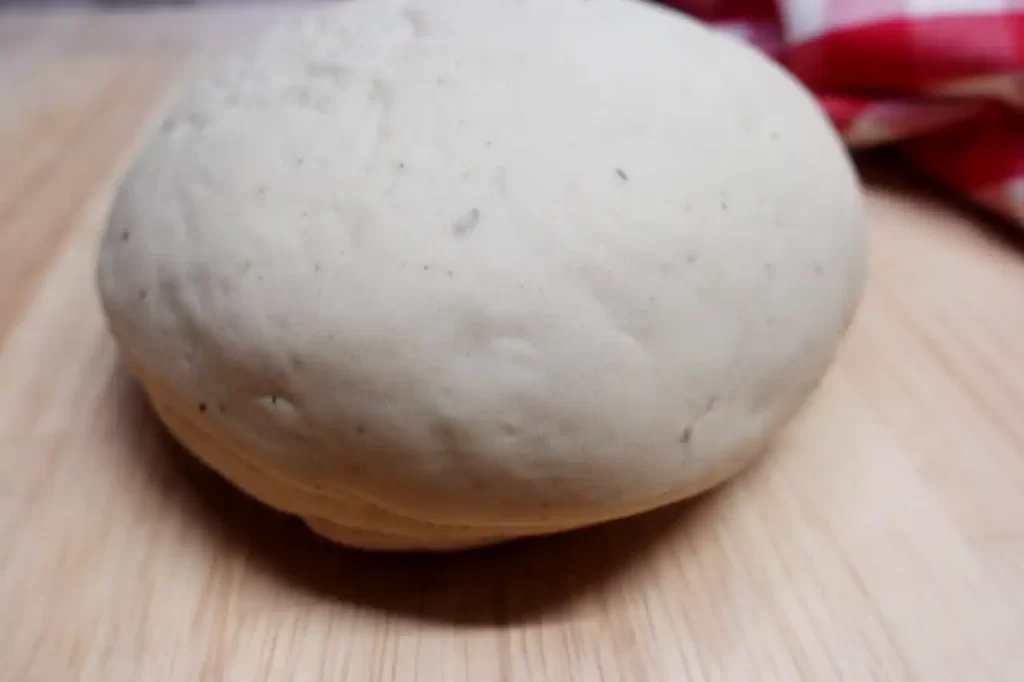
The dough should feel soft, smooth, and slightly tacky but not sticky enough to cling to your fingers. If the dough feels wet or overly sticky during mixing, simply sprinkle in a little additional flour, one tablespoon at a time, until it becomes manageable.
On the other hand, if the dough feels dry and tough, add a teaspoon of water until it softens.
A good pizza dough should be elastic and easy to stretch without tearing.
Tips for the Best Homemade Pizza
Preheat Your Pizza Stone
A hot pizza stone helps create that crispy restaurant-style crust. Therefore, allow the stone to heat for at least 30 minutes before baking.
Don’t Overload the Toppings
Although it’s tempting to pile on the toppings, too many can make the crust soggy.
Use Bread Flour
While all-purpose flour works great, bread flour creates a chewier pizza crust.
Refrigerate Overnight
For even better flavor and texture, let the dough rise slowly in the refrigerator for up to 24 hours.
Frequently Asked Questions
Can I make this pizza dough ahead of time?
Absolutely. In fact, the dough develops even better flavor when refrigerated overnight.
Can I freeze pizza dough?
Yes. After the first rise, wrap the dough tightly and freeze for up to 3 months.
Do I need a pizza stone?
No. A baking sheet works fine, although a pizza stone creates a crispier crus
Love spending time in the kitchen or by the grill? You’ll love my Foodie & Griller apparel — made for cooks who do it with style

Reader Favorites
Homemade Pizza Crust
Ingredients
- 2 1/4 cups all-purpose flour or bread flour (gives you the chewiest texture!) use 2 cups in the dough reserving the 1/4 cup to flour your pizza peel.
- 2 tsp active dry yeast
- 3/4 cup warm water
- 2 Tbsp. olive oil
- 1/2 tsp salt
- 1/2 tsp garlic powder
- 1 tsp Italian seasoning
- 1 tsp sugar
Instructions
- Start by activating the yeast. In a large mixing bowl (or the bowl of a stand mixer), combine ¾ cup warm water and 2 teaspoons active dry yeast. Sprinkle in 1 teaspoon of sugar to help the yeast wake up. Let it sit for about 5–10 minutes until it looks foamy on top.
- Once the yeast is activated, add in 2 cups all-purpose flour, 2 tablespoons olive oil, ½ teaspoon salt, ½ teaspoon garlic powder, and 1 teaspoon Italian seasoning. If you're using a stand mixer, attach the dough hook and mix on low speed until everything comes together into a shaggy dough. Then increase the speed slightly and knead for about 5-10 minutes, or until the dough forms a soft, smooth ball. You can also knead it by hand on a lightly floured surface if you prefer.
- Transfer the dough to a lightly oiled bowl, turning it once to coat. Cover with a clean kitchen towel or plastic wrap and let it rise in a warm spot for about 30 minutes, or until it’s doubled in size. (for extra chewy crust place in refrigerator in oiled bowl covered for 24 hours)
- Preheat your oven to 475°F with your pizza stone in the oven. After the dough has risen, punch it down and place on a floured pizza peel. . Roll or stretch it into a 12-inch circle. Now you're ready to add sauce, cheese, and your favorite toppings!
- Slide your pizza onto the heated pizza stone in the oven and bake for 12-15 minutes or until hot and bubbly.
Notes
Notes:
- You can substitute half the flour with whole wheat for a heartier crust.
- For a crispier bottom, preheat your pan or use a pizza stone.
- This dough can be made ahead and refrigerated overnight or frozen for later use.
My crust looked just like the pictures. I have failed many times at pizza crust so I’m excited about this one! Easy and good!
Thank you, T.R. ! I’m so glad you liked it!